

Wood Burning Stoves Near Me
Wood stoves are beautiful and efficient method of heating your home. But, there are a few aspects to take into consideration when buying a new stove. This includes the energy efficiency of the stove that is EPA-certified, cost and maintenance requirements.
Avoid becoming "number-bound" and basing your decision on a certain rating or BTU output. Also, consider aesthetics, recommendations from an reputable retailer and feedback.
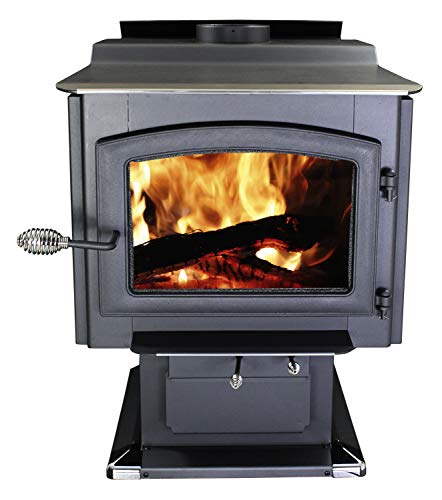
Cost
Wood stoves are a chic and elegant look to any house. They are available in a variety of colors and styles that will match any decor. These stoves are also energy efficient and economical and offer a viable alternative to expensive heating systems. There are many factors to consider before purchasing an all-new wood burning stove. These include the initial cost of installation, as well as other things such as chimney liners.
The cost of a wood stove is contingent on the model and size you choose. There are freestanding stove for less than PS700. This stove comes with an enormous viewing window which is kept clean by an airwash system that is powerful. It's also multi-fuel which means you can burn various fuels.
Noncatalytic wood stoves are less expensive than catalytic models, however they are more difficult to ignite and require more fuel to produce the same amount of heat. They release a higher amount of particulate matter than catalytic models. Despite these drawbacks, the noncatalytic stove is an excellent choice for a lot of consumers.
Pellet stoves are another popular alternative to traditional wood burning stoves. They're like wood stoves, however they use smaller pellets that are made from recycled materials or wood. They are easier to maintain, but they don't generate as much heat.
If you're looking to purchase a pellet or wood stove you'll need to factor in the cost of installing an air venting system. Some wood stoves require an intake of combustion air from outside, while others require an exhaust system that connects to chimney. Depending on your location and the building codes in your area, you could have to get your stove approved by an inspector from your local building department.
If you're installing a wood stove into an existing fireplace, you'll be able to pay less for installation. You'll need to install a chimney liner, and you may need to employ someone to maintain the chimney on a regular basis. A freestanding wood stove will not heat all the rooms in a multi-story home and you'll have to install radiators to complement.
outdoor wood stove are seeking alternatives to traditional heating systems, as the cost of electricity and natural gas is increasing. Wood stoves are an economical and green alternative to traditional heating systems. They also burn cleanly, which decreases the amount of pollution in the air.
Modern wood burning stoves are highly efficient in terms of energy efficiency, meaning they can produce more heat in your home while using less fuel. This is due to the fact that modern wood burning stoves have smaller combustion chambers as compared to older models. They also have a catalytic combustion chamber that burns fuel more efficiently. They also emit less harmful emissions, which can be important when you live in an zone where stricter standards for air quality are required.
Log burners are also environmentally friendly because they let you limit the quantity of air provided to your fire. This allows it to burn at a lower heat for longer. This will decrease the amount of smoke produced by the fireplace and prevent the buildup of flammable creosote within your chimney.
By burning a variety of different types of timber, including scrap or reclaimed wood you can create a more balanced and balanced fuel mixture that will reduce the amount of waste gas generated by the fire. It is also possible to burn unwanted wood that was used up during building projects. This way, you can cut down on the cost of buying firewood and help to conserve our forests.
Wood is a carbon-neutral fuel due to its renewable resource. The trees absorb carbon dioxide as they grow and release it after burning, thereby creating the cycle of life. By using local wood sources, you can also support the local economy and reduce your carbon footprint.
Another benefit of a wood-burning stove is that it can provide an alternative source of heat in case an outage in power. You can keep your home warm for a few days when you have enough logs. You can make use of your stove to cook and heat water.
Environmental Impact
The burning of wood in a stove can have negative effects on the environment and your health, contingent on how it's executed and the type of wood you choose to use. The combustion of wood releases harmful gases, such as nitrogen oxides and carbon monoxide, as well as fine particles referred to as PM (particulate material). The PM in smoke is made up of a variety of harmful substances such as black carbon, tar and soot. These pollutants are known to cause a range of health issues, including heart disease and asthma.
The emissions produced by wood burning stoves contribute to global warming, which negatively impacts the environment as well as the health of humans. In addition burning wood can result in the release of volatile organic compounds (VOCs) which are the main source of VOCs in the indoor air. VOCs are a type of pollutant that has been linked to a variety of health issues, including headaches and eye irritation.
VOCs can damage the lungs, respiratory system, and circulatory systems. They can also trigger various environmental issues such as soil erosion, loss of biodiversity and water quality. In certain areas, the levels of VOCs found in wood smoke may exceed federally enforced standards.
According to a report by Undark Five states have offered incentives to replace older wood-burning models with EPA certified models. However, the majority of these appliances are marginally better than older ones. exterior wood stove are also expensive and require electricity to power the controls, fans, and pellet feeders.
As a result, some environmental organizations have begun to eliminate incentives to encourage new wood stoves in favor of encouraging people to switch to alternative sources of heating. The State of Oregon for example requires homeowners to take down non-certified wood burning appliances and to help them switch to heat pumps.
Wood stoves are more energy efficient compared to other heating methods such as gas or electric furnaces. These stoves produce a greater amount of heat with less wood than gas or electric counterparts. They are therefore more sustainable and a cheaper option for heating your home. However, they should be maintained and inspected regularly to cut down on the amount of fuel required and increase the efficiency. For instance, removing unused hoppers and feed systems at the end of the season can reduce corrosion and ensure that the stove is ready for use again in the autumn. Regularly cleaning the stove's chimney vent can also stop the buildup of flammable materials.
Safety
Wood-burning stoves are a great alternative to heat, however they are also risky for your family's safety. Smoke inhalation can be a cause of fire and carbon monoxide poisoning and a host of other serious issues. However, you can protect your home and family members by following proper safety precautions.
Make sure your stove is correctly installed and venting. A certified professional should put in your chimney, flue pipe and connecters. Make sure the chimney is at least three feet above everything that could ignite, such as overhanging trees as well as adjacent structures. Install CO and smoke detectors outside every bedroom and on every floor of the home. Connect them all together so that they sound in the event that one is activated. Replace the batteries and test your alarms on a regular basis. Keep flammable materials like plastics, paper, and garbage, away from the stove, and do not burn them in it or near it.
Never leave a stove that is burning wood unattended, especially at night. If you have a wood-burning stove located in an area where you sleep switch off the heat and open the windows prior to going to go to bed. This will prevent wood smoke from entering the room and causing CO poisoning.
If you plan to make use of a wood-burning stove you should consider installing an air-cleaning system. These systems neutralize and remove volatile organic compounds in the exhaust stream before it exits the fireplace. Keep your stove clean, and keep the grate, draft louvers and draft hoods free of ash.
Wood smoke can be harmful to everyone, but it is particularly harmful to children and people with weak lungs. It can also trigger respiratory infections and asthma. Avoid using a wood stove on days when pollution levels are high. The EPA and the individual states provide daily reports on air quality.
Certain modern wood stoves are more efficient than older models, but they emit large amounts of pollutants into the air. To reduce your exposure to harmful substances select a stove that is EPA-certified to be more than 72 percent efficient. Burn only dry, seasoned wood. This kind of wood generates more heat and has less toxic substances than fresh green wood.